
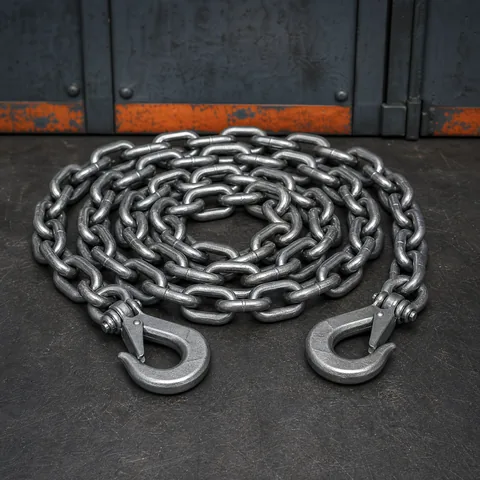
Lashing Chains
High-strength transport chains for direct restraint of heavy machines, subject to model and application confirmation.
View Lashing ChainsSecure excavators, forklifts, loaders and mobile plant with a restraint plan built around machine geometry, anchor points and route conditions.
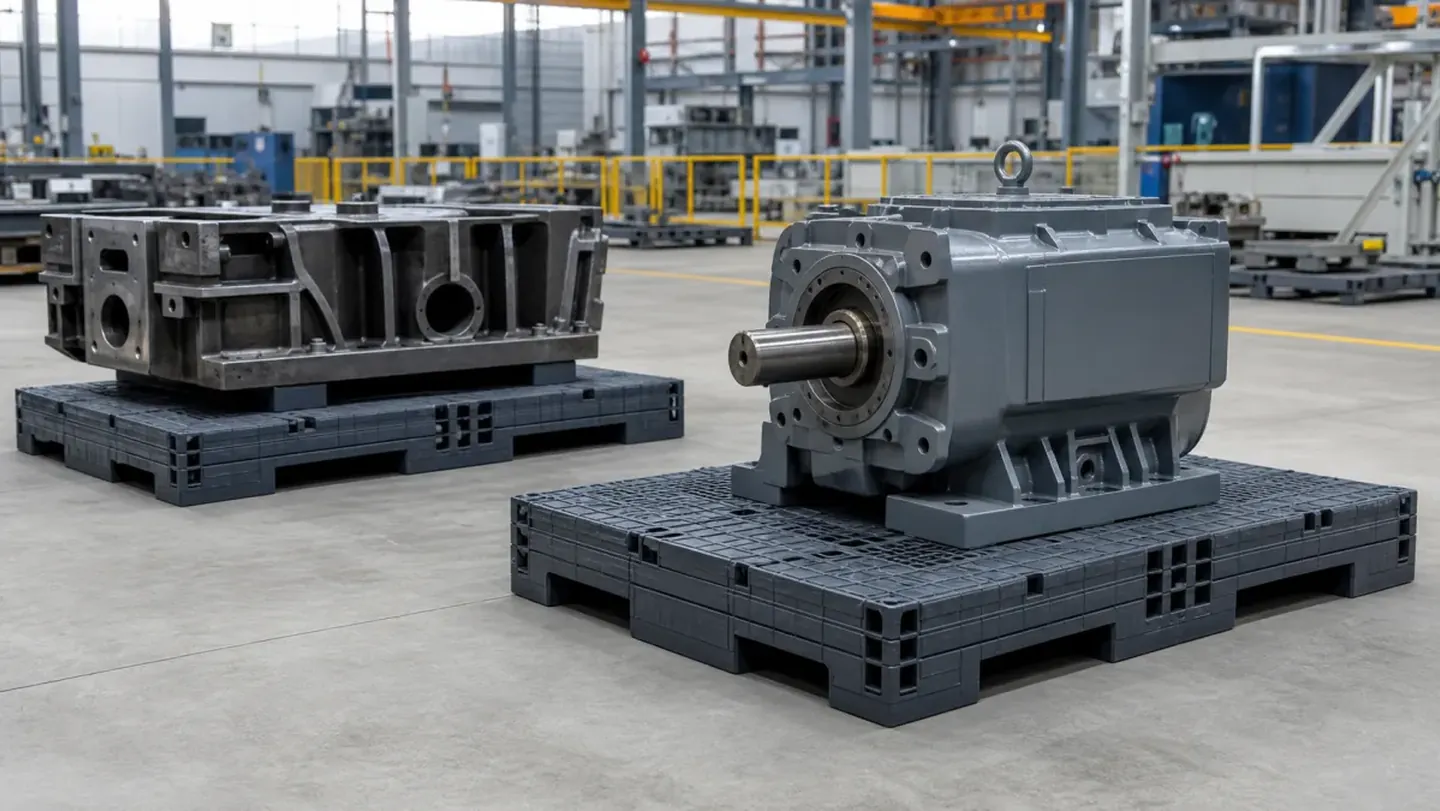
Large machines need more than a high-capacity component. The complete restraint setup must work around the machine, trailer and loading sequence.
Heavy machines generate significant movement under braking, acceleration, cornering and uneven road conditions.
Booms, masts, cabs, counterweights and attachments create load geometry that must be considered before connection points are chosen.
Chains and hooks need to connect to suitable structural points without interfering with controls, hydraulic lines or removable equipment.
Long routes and rough site access can introduce repeated vibration that changes how the load bears on the deck and restraint.
Contact areas may need protection from abrasion, chain impact or concentrated pressure during loading and transit.
Rental fleets, dealers and contractors benefit from a consistent, inspectable hardware set that operators can use repeatedly.
The recommendation should follow the machine, trailer and operating route. Product selection is confirmed after the actual restraint points and load geometry are reviewed.
| Application Scenario | Recommended Product System | What It Solves | Project Focus |
|---|---|---|---|
| Excavators and tracked loaders | G70/G80 Lashing Chains + Load Binders | Direct restraint around the machine frame with controlled tensioning. | Confirm structural attachment points, track position, boom arrangement and deck clearance. |
| Forklifts and telehandlers | Chain Assemblies + Compatible Hooks | Repeatable connection for machines with masts, forks and uneven profiles. | Review center of gravity, removable attachments and access for inspection. |
| Buckets, booms and attachments | Lashing Chains + Hooks + Accessories | Separate restraint for loose or removable equipment during multi-unit moves. | Prevent contact with the primary machine and protect finished surfaces. |
| Generators and compressors | Lashing Chains + Ratchet or Lever Binders | Stable restraint for compact but heavy equipment on trailers and project vehicles. | Review lifting points, skid/base geometry, vibration and service access. |
| Dealer or rental fleet movements | Standardized Chain Assemblies + Replacement Parts | Consistent loading practice across recurring machine families and routes. | Build a model-specific hardware, inspection and replenishment list. |
| Export machinery shipments | Matched Chains, Binders, Hooks and Documentation | Coordinated hardware for multi-stage road, port and final-site handling. | Confirm route, packaging, lifting and destination requirements. |
Build the restraint set around the machine’s rated connection points, then confirm the chain, binder, hook and accessory combination.
High-strength transport chains for direct restraint of heavy machines, subject to model and application confirmation.
View Lashing Chains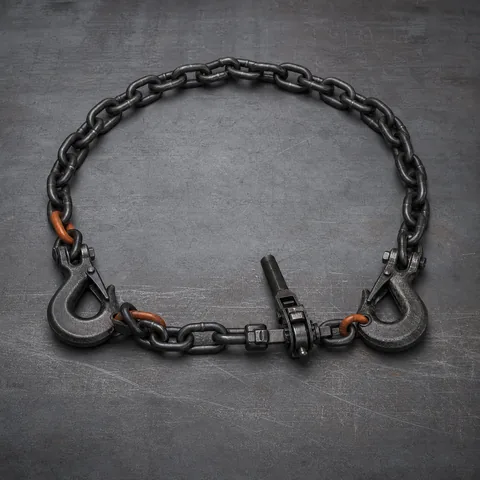
Finished assemblies that reduce setup variation across repeated equipment movements.
View Lashing Chain Assemblies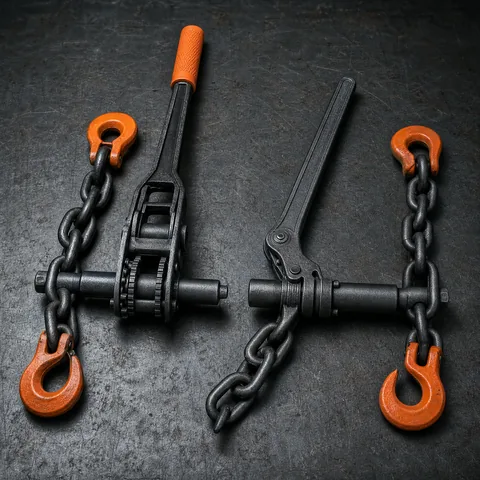
Ratchet and lever binders for controlled tensioning and practical release during unloading.
View Load Binders
Hook styles for matching chain connections to machine, trailer and anchor-point arrangements.
View Lashing Hooks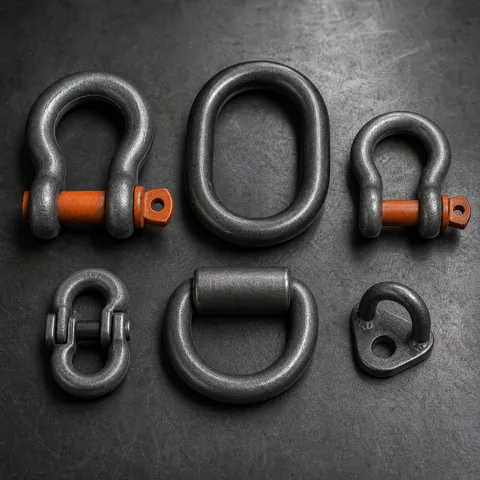
Links, shackles and fittings for adapting a compatible restraint path to the equipment.
View Chain Accessories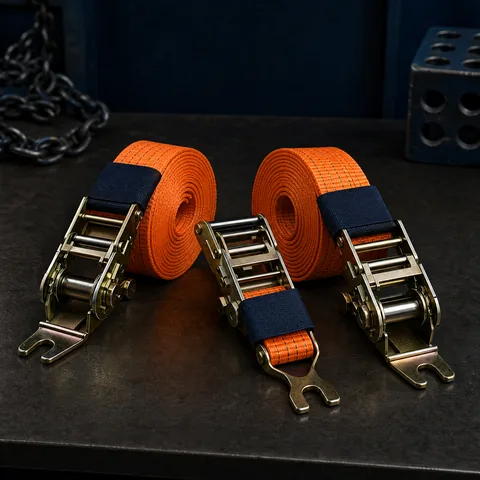
Webbing options for protected attachments, covers or supplementary restraint where appropriate.
View Ratchet Straps & Webbing
When the cargo, trailer, deck or handling process falls outside a standard setup, LashLok can coordinate a project-specific configuration.
Request Project SupportUse these as review patterns only. The final restraint plan must be confirmed against the actual machine, trailer, route and responsible transport requirements.
The machine required restraint around the frame while keeping the boom, bucket and inspection points accessible.
Review the machine’s structural points, deck contact and attachment positions before pairing chain assemblies with compatible binders.
A forklift fleet needed a consistent tie-down setup for recurring road transport and operator handover.
Standardize finished lengths, hook styles and binder positions by machine family, then document the inspection points.
Compact but heavy units needed controlled restraint while preserving lifting access and service clearance.
Review skid/base geometry, lifting lugs, vibration exposure and trailer anchor layout before selecting the restraint path.
Loose attachments traveled with the main machine and required separate restraint to prevent contact and movement.
Use separate, identifiable connection sets with suitable contact protection and a clear unloading sequence.
A heavy machine should be restrained through appropriate structural points, with the connection path kept clear of vulnerable components.
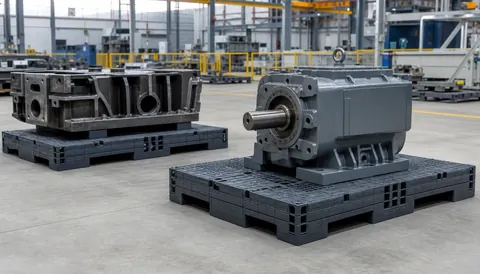
Identify suitable machine and trailer connection points before selecting chain length or hook style.
Review center of gravity, deck contact, wheel or track position and attachment orientation.
Keep tensioners, hooks and inspection areas accessible after the machine is loaded.
A good transport setup must remain practical at the yard, job site and unloading area—not only on paper.
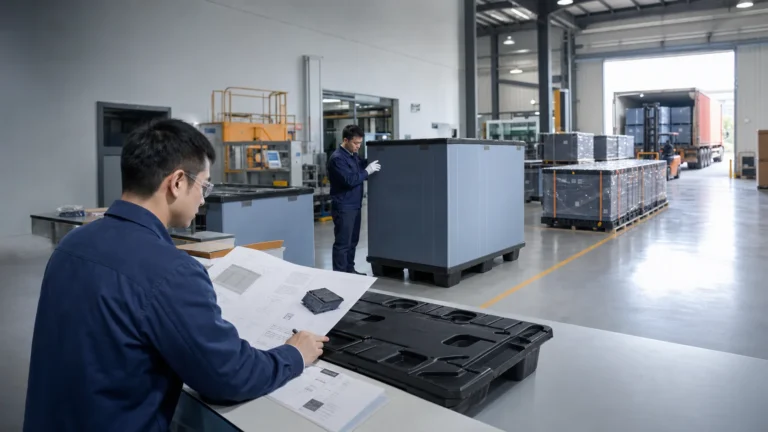
Confirm where the machine will be driven, lifted or disconnected and which connections must be removed first.
Check clearance around controls, hydraulic components, lifting lugs and removable attachments.
Use a consistent hardware list for recurring machine models and operators.
Inspection should cover both the restraint hardware and the parts of the machine that could contact or damage the setup.
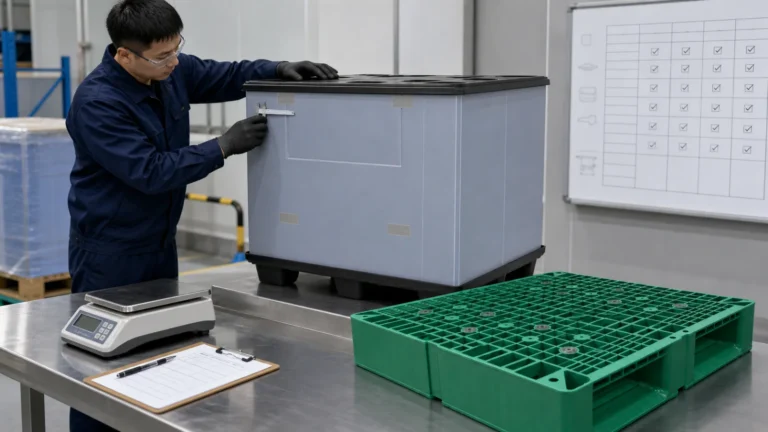
Review chain, hook, binder and accessory condition before each recurring movement.
Look for abrasion, sharp edges, movement marks and changes after the route or machine changes.
Use model-specific photos or checklists when the same equipment moves repeatedly.
A consistent set of finished lengths and connection details helps dealers, rental fleets and contractors reduce improvisation.
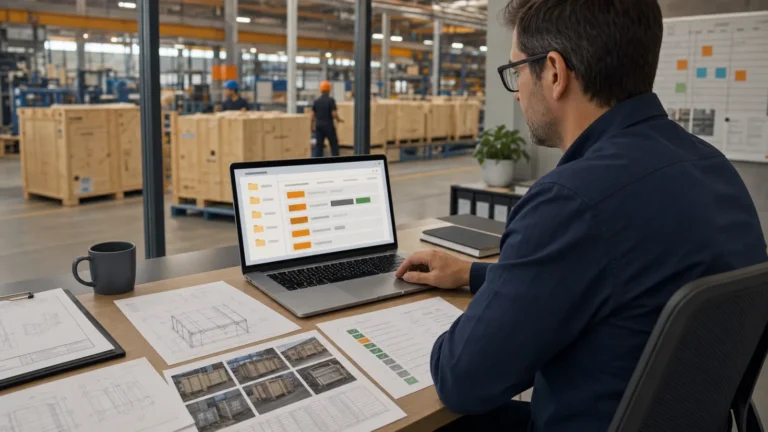
Define the restraint set for each machine or attachment family.
Replenish matching hooks, binders and chains rather than mixing unverified components.
Reconfirm the setup when attachments, trailer type or machine configuration changes.
We review the machine, trailer and route together so the recommended hardware remains practical for operators and inspection.
We review machine dimensions, weight, center of gravity, structural points, attachments, contact surfaces and lifting access.
We confirm the low-loader, flatbed or trailer layout, anchor points, deck condition, route exposure and handling stages.
We pair chain grade, finished length, hook style, binder type and accessories with the proposed connection path.
We clarify machine positioning, attachment placement, tensioning order, inspection access and unloading sequence.
Where required, we coordinate drawings, product details, samples or project-specific specification confirmation.
We support inspection records, loading photos, packing information and export coordination according to scope.
Working load limit must be confirmed for the selected chain, configuration, angle, anchor point and application.
A product recommendation does not replace confirmation that the machine and trailer connection points are suitable.
Product details, inspection notes, loading photos and shipment records can be organized for qualifying projects.
Lifting points and tie-down points serve different purposes and should be reviewed separately in the load plan.
Specification sheets, dimensions and model-level information may be provided according to the selected product and project.
Final loading and restraint decisions remain the responsibility of the qualified transport team for the actual equipment and route.
Yes. We can review the machine weight, dimensions, structural connection points, trailer type, route and required restraint method before recommending a compatible chain and binder setup.
Yes. Share photos or details of the deck, anchor points and available clearance so the hook, finished length and tensioning method can be reviewed against the vehicle.
We can coordinate compatible load binders, lashing hooks, chain assemblies and accessories as a complete project set, subject to the specification.
Buckets, booms, forks and other loose attachments should be reviewed as separate load elements with their own connection path, contact protection and unloading sequence.
Yes. We can help build model-specific hardware lists, replacement-part logic and inspection information for dealer, rental or contractor fleets.
Please send the machine model, weight, dimensions, photos, attachment details, trailer type, anchor-point photos, route, quantity and any current tie-down reference.