
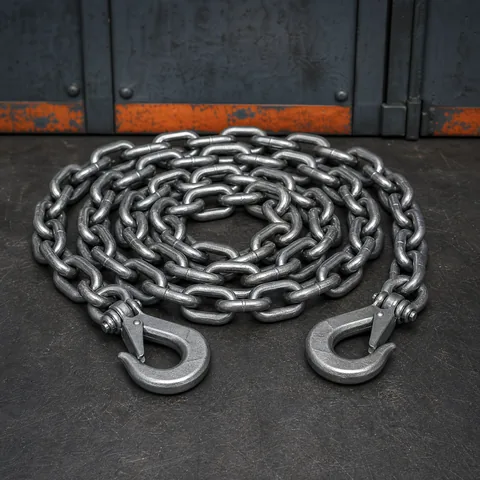
Lashing Chains
G43, G70 and G80 chain options for transport restraint, subject to model and application confirmation.
View Lashing ChainsPlan repeatable cargo restraint for flatbeds, trailers and low-loaders with compatible lashing chains, binders, hooks and accessories.
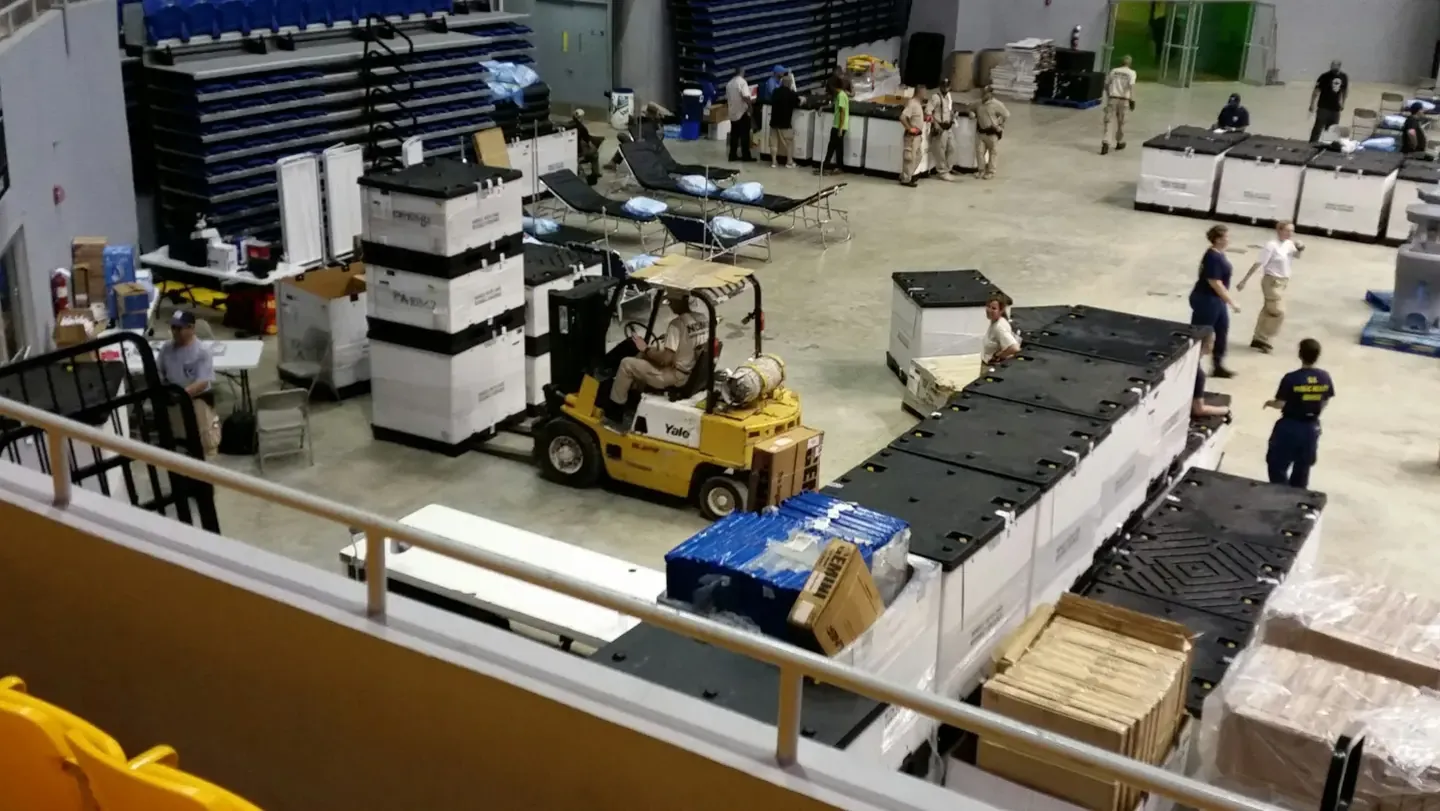
A reliable tie-down plan must account for cargo movement, anchor points, load geometry, handling sequence and inspection—not only chain size.
Longitudinal and lateral forces can move machinery, steel and packaged loads when the restraint path is not planned around the cargo.
Different widths, heights, contact surfaces and centers of gravity require a restraint system that can be configured without improvised connections.
Hooks, chain length and binder position must work with the trailer, flatbed or low-loader anchor points available at the loading site.
Painted, machined or sharp-edged cargo may need compatible edge protection and contact control to prevent avoidable damage.
Open-deck transport exposes hardware and cargo to rain, dirt, vibration and multiple handling stages across the route.
Fleet operators need identifiable components, consistent setup and practical inspection records for recurring shipments.
Start with the cargo, vehicle and route. Then match chain grade, finished length, hook style and tensioning method to the working setup.
| Application Scenario | Recommended Product System | What It Solves | Project Focus |
|---|---|---|---|
| Excavators and mobile plant | G70/G80 Lashing Chains + Ratchet or Lever Binders | Direct restraint, controlled tensioning and repeatable trailer loading. | Confirm attachment points, chain angle, clearance and rated components. |
| Long steel, pipe or fabricated sections | Lashing Chains + Compatible Hooks + Edge Protection | Restraint around long loads while helping manage sharp edges and surface contact. | Review bundle shape, dunnage, anchor spacing and sliding risk. |
| Palletized industrial cargo | Lashing Chain Assemblies + Ratchet Straps & Webbing | Fast repeat loading for protected packaged units and mixed palletized freight. | Separate primary restraint from supplementary load control. |
| Low-loader equipment movements | Finished-Length Chain Assemblies + Load Binders | Consistent connection points and practical tensioning around large equipment. | Review machine geometry, deck width, wheel/track position and route. |
| Export and multi-leg road transport | Matched Chains, Binders, Hooks and Accessories | A coordinated hardware set that is easier to identify, replace and document. | Confirm destination requirements and the actual loading configuration. |
| Trailer fleet standardization | Standardized Chain Assemblies + Replacement Accessories | More consistent loading practice across trailers, operators and recurring lanes. | Build a model-by-model inspection and replenishment list. |
Choose the primary restraint component first, then confirm the matching binder, hook, accessory and supplementary webbing for the load.
G43, G70 and G80 chain options for transport restraint, subject to model and application confirmation.
View Lashing Chains
Finished chain assemblies for repeatable connection, loading and fleet replenishment.
View Lashing Chain Assemblies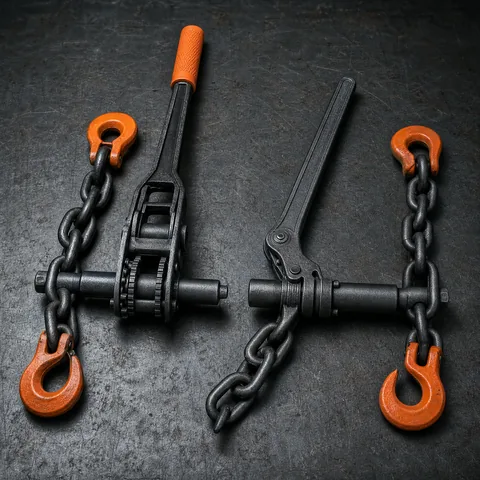
Ratchet and lever binders for applying and releasing tension in compatible chain systems.
View Load Binders
Grab, slip, C and weld-on hook options for compatible chains and trailer anchor arrangements.
View Lashing Hooks
Shackles, links and anchor-related fittings for matching the restraint path to the vehicle.
View Chain Accessories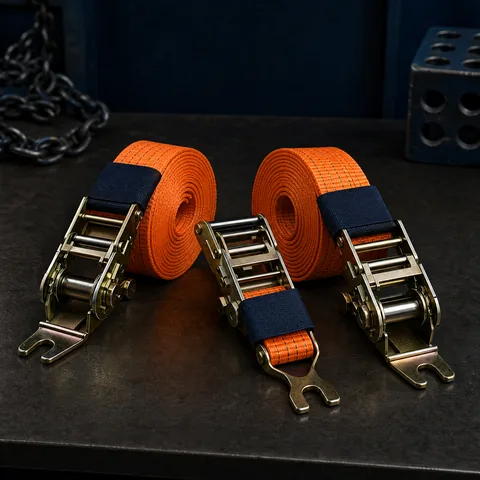
Webbing systems for protected loads and supplementary restraint where the application permits.
View Ratchet Straps & Webbing
When the cargo, trailer, deck or handling process falls outside a standard setup, LashLok can coordinate a project-specific configuration.
Request Project SupportThese examples describe review patterns rather than fixed load plans. Final selection depends on the cargo, vehicle, route and applicable requirements.
A tracked excavator required restraint around the machine frame without obstructing lifting points or access for inspection.
Review the machine center of gravity, deck contact, available anchor points and chain angles before pairing finished-length chains with binders.
A welded frame had uneven contact points and exposed edges that could concentrate pressure during road vibration.
Use a planned restraint path with compatible hooks, suitable dunnage and edge/contact protection around the fabricated structure.
Multiple packaged units needed a repeatable tie-down method without damaging cartons, covers or finished surfaces.
Use chain assemblies for the load plan and review ratchet webbing as supplementary restraint for protected packaged units.
A fleet operator needed consistent replacement parts across similar trailers and recurring industrial routes.
Create a model-by-model list for chain length, hook style, binder type, inspection points and replenishment quantities.
The restraint path should be designed around how the cargo can move, where the vehicle can connect and which surfaces must remain protected.
Review sliding, tipping, rolling and vibration risk before selecting hardware.
Confirm trailer anchor points, hook access, chain angle and binder clearance.
Use each component for the role it is rated and intended to perform.
A clear loading sequence helps operators repeat the same securement method across shifts and routes.

Check deck condition, anchor points, dunnage and access before loading.
Place the cargo to support stable weight distribution and inspection access.
Apply the selected binder method, then inspect connections and clearance before departure.
Inspection is part of the load plan. It should be possible to see the connection, tensioning hardware and cargo contact areas.

Confirm chain grade, hook type, binder condition and any required markings.
Look for sharp edges, abrasion, interference and unexpected movement paths.
Use loading photos and project records when recurring shipments require traceability.
A matched hardware set reduces improvisation and makes operator training, inspection and replenishment easier.

Define the chain assembly, binder, hook and accessory combination for each load family.
Replenish compatible components rather than mixing unverified combinations.
Recheck the plan when cargo, trailer, destination or loading method changes.
We turn cargo geometry and vehicle constraints into a practical hardware and documentation brief before recommending a configuration.
We review cargo weight, dimensions, center of gravity, contact surfaces, loading method, route and handling stages.
We confirm the flatbed, trailer or low-loader layout, available anchor points, clearance and access for tensioning.
We match chain grade, finished length, hook style, binder type and accessories to the proposed restraint path.
We document the connection concept, dunnage or edge protection needs, inspection points and supplementary restraint.
Where required, we coordinate drawings, samples, model details or project-specific specification confirmation.
We support inspection records, loading photos, packing information and export coordination according to scope.
Working load limit and grade must be confirmed for the selected model, configuration, angle and application.
Hooks, binders, links and anchor fittings should be reviewed as a compatible system rather than selected in isolation.
Product details, inspection notes, loading photos and shipment records can be organized for qualifying projects.
Road, trailer, destination and customer requirements should be confirmed before final configuration.
Specification sheets, dimensional information and project documents may be requested based on the selected product.
Any load plan must be confirmed by the responsible transport professional against the actual cargo, vehicle, route and applicable regulations.
The correct chain depends on cargo weight, restraint method, chain angle, anchor points, route and the product model. Share the load and vehicle details so the working setup can be reviewed before selection.
Yes. We can review the trailer anchor style, connection access, required finished length and tensioning method, then recommend compatible chain assemblies, hooks and binders.
We can coordinate lashing chains, finished assemblies, load binders, hooks and compatible accessories as a project set, subject to the required specification and quantity.
Ratchet straps and webbing may be suitable for protected or supplementary restraint applications. Their role should be confirmed separately from the primary chain restraint plan.
Please provide cargo type, dimensions, weight, photos or drawings, loading method, vehicle or anchor-point details, route, expected quantity and any existing hardware reference.
Documentation and testing availability depend on the product, material, project and requested standard. We confirm the available document scope before order confirmation.