
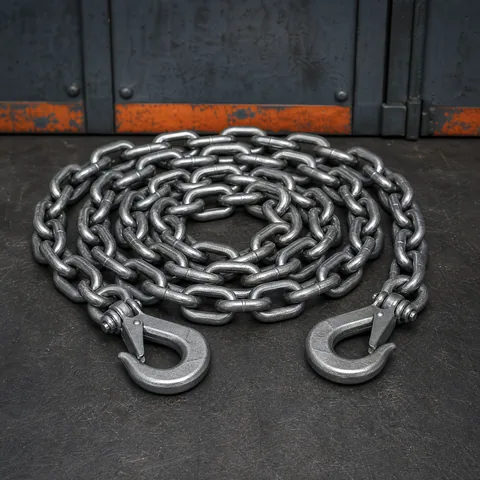
Lashing Chains
Transport chains for heavy steel and project loads, subject to grade, model and application confirmation.
View Lashing ChainsPlan restraint for steel coils, sections, pipe, plate bundles and fabricated structures with compatible chains, binders, hooks and accessories.
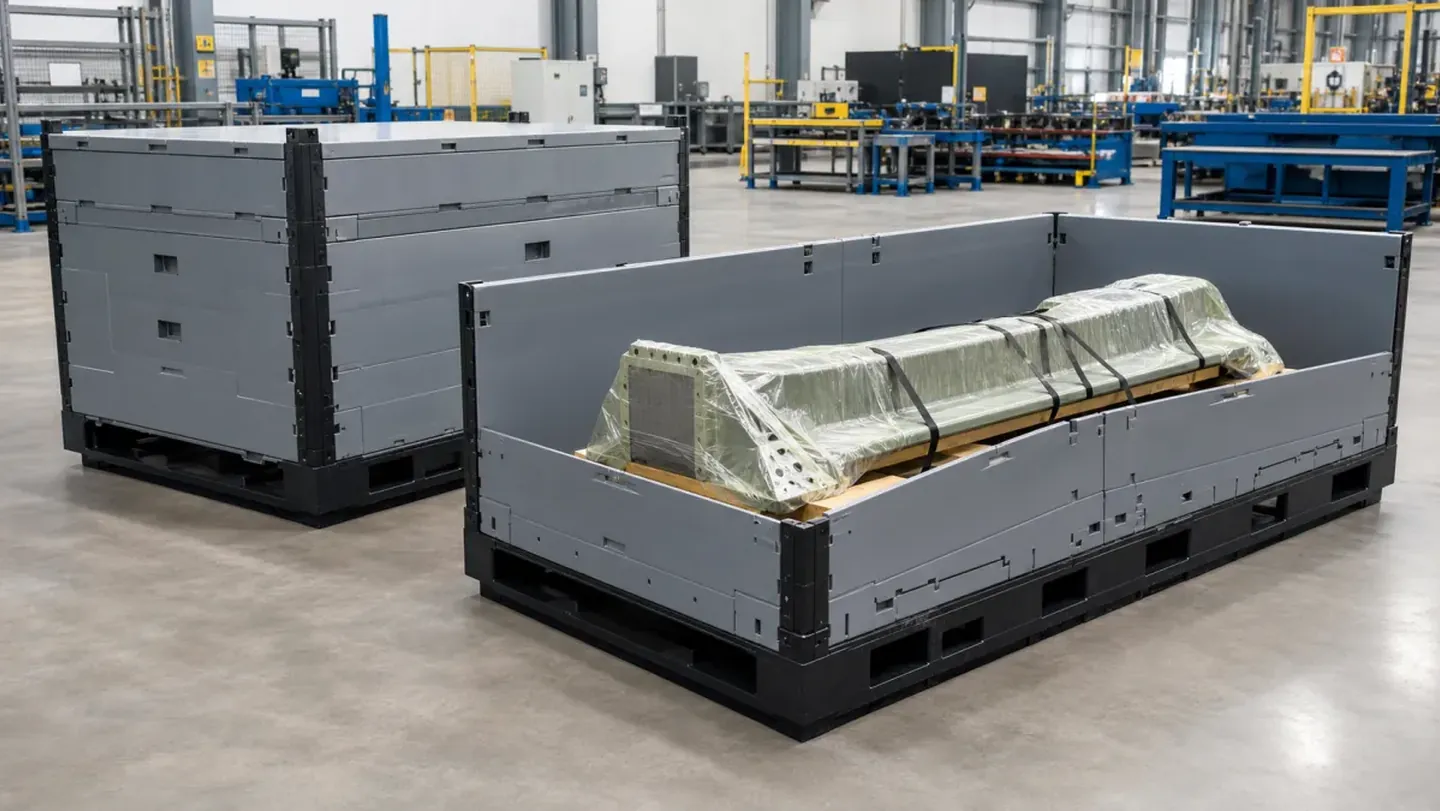
Steel cargo can be heavy, smooth, sharp-edged and difficult to reposition after loading. The restraint plan must control movement while respecting the load surface and vehicle.
High-mass loads can generate substantial movement under braking, cornering and uneven road conditions.
Coils, pipes and smooth bundles need a restraint and dunnage plan that controls both rolling and longitudinal movement.
Sections, plate and fabricated frames can create concentrated loads on chain, cargo surfaces and vehicle anchor points.
Painted, machined or weather-sensitive steel may require contact control, protective materials or route-specific review.
Bundles, frames and fabricated assemblies vary in footprint, height, center of gravity and available connection points.
Steel logistics often involve multiple parties, staged loading and export handling, making clear records valuable.
Match the restraint system to the load form, dunnage, trailer or deck and available anchor points. Final selection depends on the actual loading plan.
| Application Scenario | Recommended Product System | What It Solves | Project Focus |
|---|---|---|---|
| Steel coils | G70/G80 Lashing Chains + Load Binders | Controlled restraint for heavy cylindrical loads when combined with suitable dunnage and loading practice. | Review coil orientation, cradle or dunnage, roll path, anchor spacing and chain angle. |
| Beams and structural sections | Lashing Chains + Hooks + Edge Protection | Restraint for long sections while managing edges and contact areas. | Review bundle shape, separators, support points and lateral movement. |
| Plate and sheet bundles | Chain Assemblies + Compatible Binders | Repeatable connection and tensioning for dense, layered bundles. | Review bundle stability, surface protection, anchor access and route. |
| Fabricated frames | Lashing Chains + Chain Accessories | Adaptable restraint for non-standard structures and uneven connection points. | Confirm center of gravity, lifting points, welds, edges and inspection access. |
| Pipe and tubular loads | Lashing Chains + Hooks + Project Accessories | Control rolling and longitudinal movement around cylindrical or bundled cargo. | Review chocks, dunnage, contact protection and tie-down direction. |
| Export project loads | Matched Chains, Binders, Hooks and Documentation | Coordinated hardware for road, port and multi-stage project handling. | Confirm route, deck or container constraints and destination requirements. |
Use the load form and restraint path to determine the chain, binder, hook and accessory combination before final specification.
Transport chains for heavy steel and project loads, subject to grade, model and application confirmation.
View Lashing Chains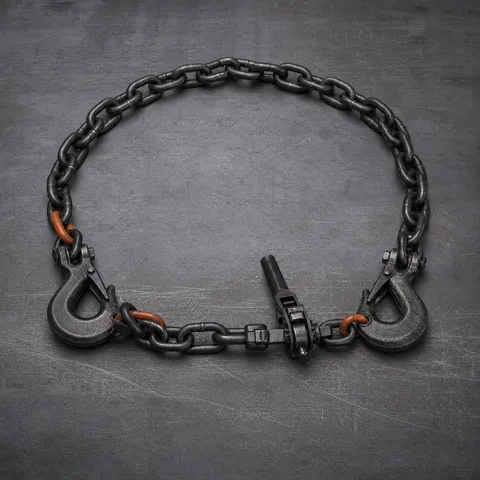
Finished chain assemblies for repeatable loading and controlled replenishment.
View Lashing Chain Assemblies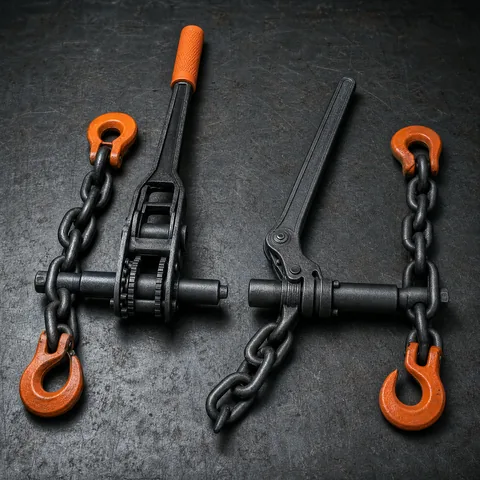
Ratchet and lever binders for applying and releasing tension in compatible chain systems.
View Load Binders
Hook options for matching chain connections to trailer, deck and project anchor points.
View Lashing Hooks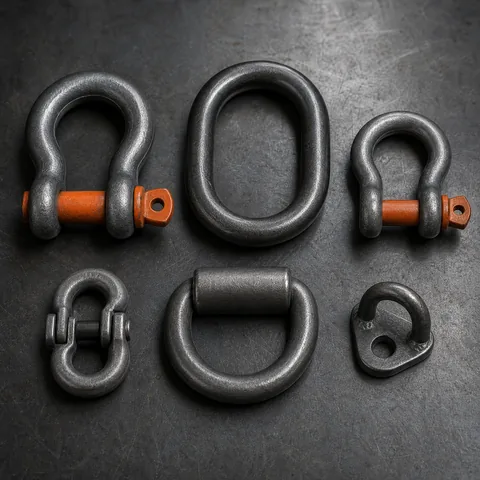
Links, shackles and fittings for adapting the restraint path around non-standard loads.
View Chain Accessories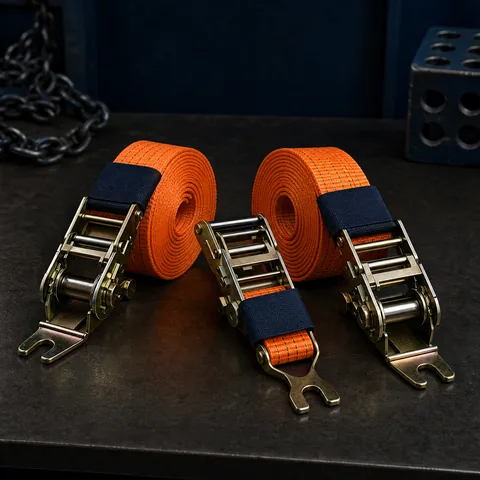
Webbing systems for protected packaged components or supplementary restraint where appropriate.
View Ratchet Straps & Webbing
When the cargo, trailer, deck or handling process falls outside a standard setup, LashLok can coordinate a project-specific configuration.
Request Project SupportThese examples show how a project can be framed for review. They are not a substitute for a cargo-specific loading and restraint assessment.
A cylindrical steel load required control of rolling and longitudinal movement while preserving access to the vehicle anchor points.
Review coil orientation, support or cradle design, dunnage, edge/contact conditions and chain angle before selecting the restraint set.
Long steel sections had variable bundle geometry and concentrated edge contact during loading.
Use a planned connection path with compatible hooks, protection at contact areas and clear inspection access.
A fabricated frame had uneven supports, exposed corners and lifting points that were not all suitable for tie-down.
Separate lifting and restraint considerations, then configure chains and accessories around verified structural points.
A pipe bundle moved through road and port handling with different operators and inspection stages.
Coordinate the hardware list, loading records, contact protection and staged inspection requirements before shipment.
Steel cargo needs a restraint path that considers the way the load can move, not only the rated capacity of an individual component.
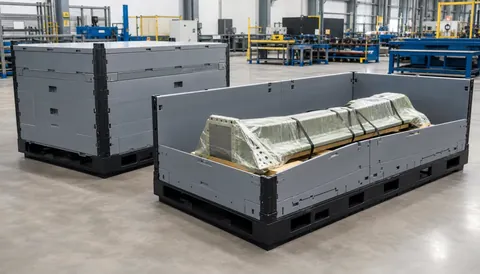
Separate rolling, sliding, tipping and lateral movement in the loading assessment.
Confirm cradles, chocks or dunnage before deciding the chain path.
Check edges, chain contact and vehicle anchor areas for concentrated pressure or abrasion.
A coil, beam bundle, plate pack and fabricated frame each create different connection and inspection requirements.
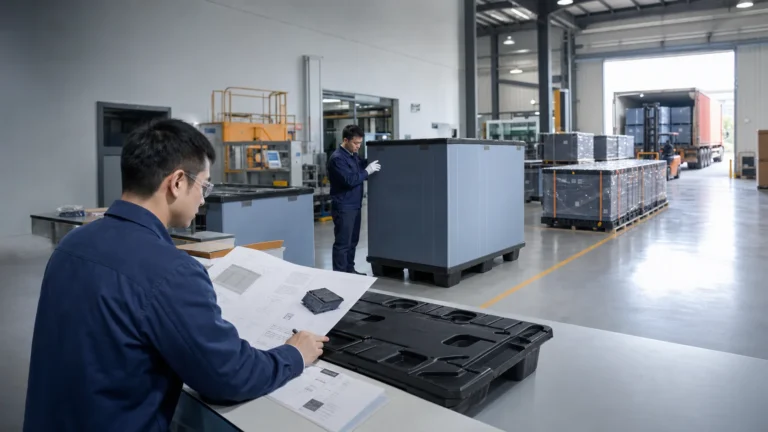
Use dimensions, weight, center of gravity and photos or drawings for non-standard loads.
Position the load and connection path so operators can tension and inspect safely.
Coordinate supports, lifting, chain placement and release before the truck or deck is loaded.
Sharp edges and hard contact points can affect both the cargo surface and the restraint hardware.
Mark sections, corners and contact points that need additional protection.
Look for chain pinch points, unexpected pressure and interference with the trailer.
Use loading photos and inspection notes when the shipment has multiple handoffs.
Clear hardware and loading records help carriers, yards and receiving teams understand the intended setup.

Record chain grade, length, hook, binder and accessory selection.
Keep dimensions, photos, dunnage details and inspection checkpoints together.
Update the plan when the load form, vehicle, route or handling stage changes.
We connect the load form, vehicle or deck and restraint hardware into one reviewable project brief.
We review cargo type, dimensions, weight, center of gravity, surface condition, bundle or frame geometry and handling method.
We confirm dunnage, cradles, chocks, trailer or deck layout, anchor points and access for tensioning.
We match chain grade, finished length, hook style, binder type and accessories to the proposed restraint path.
We define support locations, connection sequence, contact protection, inspection points and release sequence.
Where required, we coordinate drawings, product details, samples or project-specific specification confirmation.
We support inspection records, loading photos, packing information and export coordination according to scope.
Working load limit must be confirmed for the selected model, configuration, angle, anchor point and application.
Protection requirements depend on the load surface, edge profile, chain path, dunnage and handling method.
Dimensions, loading photos, inspection notes and shipment documents can be organized for qualifying projects.
Lifting points, supports and tie-down points should be reviewed as separate parts of the loading plan.
Specification sheets, dimensions and model-level product information may be provided according to the selected system.
Final steel load securement must be confirmed by the responsible transport team against the actual cargo, vehicle or deck and applicable requirements.
We can review coil weight, diameter, orientation, support or cradle, trailer or deck layout, anchor points and route before recommending a compatible chain and binder configuration.
The restraint path should account for edge geometry and contact pressure. Suitable edge or surface protection should be reviewed together with the chain, binder and dunnage plan.
Yes. Please provide drawings or photos, dimensions, weight, center of gravity, lifting points, suitable tie-down points and the planned vehicle or deck.
We can coordinate compatible hooks, links, shackles, binders and other chain accessories as part of a project-specific hardware set.
Only after the load geometry, weight, support and anchor arrangement have been reviewed. Similar-looking bundles can create different movement and contact risks.
Send cargo type, dimensions, weight, photos or drawings, support and dunnage details, vehicle or deck information, route, quantity and any existing hardware reference.